Many women tracking perimenopause or menopause symptoms end up with symptom questionnaires that stop at a score and offer no next step. Some tools leave the results hanging without a licensed provider to review them or connect them to treatment like hormone therapy or weight-management plans. That gap sends women searching for an alternative that pairs assessment with actual care.
By the end of this article you will know the seven concrete criteria that separate a stand-alone quiz from a provider-led assessment, see how Josie ranks on each, and have a clear short list ready for your next appointment or prescription review.
What to Look For in Symptom Assessment Alternatives
Effective symptom assessment for menopause and perimenopause requires structured intake tools, validated questionnaires, provider review, and clear pathways to treatment options. Women experiencing hot flashes, night sweats, mood swings, and sleep disturbance need reliable methods to track changes and receive appropriate care. The right platform combines validated instruments with laboratory testing and timely clinical follow-up.
Five core criteria separate strong options from basic tracking tools. Validated symptom scoring instruments with numeric scales provide consistent measurement across visits. Laboratory options using blood or saliva tests measure specific biomarkers including estradiol, progesterone, FSH, and testosterone levels. Provider review timelines of 24-72 hours ensure results reach patients before symptoms worsen.
Integration with treatment plans matters most for ongoing care. Platforms should connect symptom data directly to hormone therapy dosing decisions and prescription pathways. This includes HRT adjustments based on current biomarkers and symptom patterns.
Privacy protocols and follow-up procedures protect sensitive health information. Look for encrypted data storage, clear consent processes, and scheduled check-ins that track treatment response over time. These elements create continuity between initial assessment and long-term management of perimenopause symptoms.
1. Josie - Best Overall

Josie stands out for its provider-led model that integrates symptom assessment with personalized hormone therapy and weight-management care paths.
The platform connects women experiencing perimenopause and menopause with licensed providers who review each case before any prescription reaches the pharmacy. This approach combines hormone replacement therapy with GLP-1 weight management in a single care pathway.
Members receive care for symptoms such as hot flashes, night sweats, mood swings, and sleep disturbance. Every recommendation comes after a licensed provider evaluates the digital intake and any required lab results.
Pricing starts at $89 per month for HRT and $194 per month for full-dose GLP-1 therapy. Micro-dose maintenance protocols begin at $189 per month. All medications ship from licensed U.S. pharmacies with batch testing for potency and sterility.
Provider-Led Symptom Review Process
Every Josie member completes a detailed digital health questionnaire that feeds directly into a licensed provider review.
The questionnaire covers more than twenty symptoms, including fatigue, brain fog, low libido, vaginal dryness, and joint pain. Providers examine responses alongside any prior hormone panels or bloodwork the member uploads.
A licensed clinician reviews submissions within one business day. If labs or prescriptions are needed, a follow-up call is scheduled within 48 hours to discuss results and next steps. Members can cancel anytime without auto-billing.
This workflow ensures that estrogen, progesterone, and testosterone decisions rest on clinical judgment rather than automated algorithms alone.
GLP-1 Weight Management Integration
Josie links symptom assessment directly to weight-management pathways for members experiencing menopause-related weight gain.
The service offers two distinct weight-care paths. Full-dose GLP-1 therapy begins at $194 per month and includes compounded semaglutide or tirzepatide supplied by licensed U.S. pharmacies. Micro-dose maintenance protocols start at $189 per month for members who reach their target weight.
Both injection and orally dissolving tablet formulations are available.
The same provider who reviews symptom assessments also manages dose adjustments, ensuring weight-care decisions align with overall hormone therapy plans.
2. Midi Health

Midi Health provides telehealth menopause care that centers on hormone therapy and lifestyle support. Women complete an initial online questionnaire that captures common concerns such as hot flashes, night sweats, mood swings, and sleep disturbance. The answers help clinicians understand symptom patterns quickly before any labs are ordered.
Next, patients receive a customized lab order covering key markers like estradiol, progesterone, and other hormones that influence energy, mood, and cardiovascular risk. Blood draws can occur at local facilities, and results flow directly into the patient portal. A follow-up video visit allows the clinician to review findings and discuss options such as HRT or non-hormone treatments.
During the consultation, the provider may also address perimenopause symptoms including vaginal dryness, low libido, and brain fog. Lifestyle guidance often covers nutrition, exercise, and stress reduction to complement clinical care. Ongoing check-ins help track progress and adjust plans as hormone levels shift.
Many women appreciate that the service operates across all 50 states and accepts numerous insurance plans. This broad reach allows patients to receive consistent support without needing to locate a local menopause specialist. The process repeats at intervals chosen by the clinician to match each individual's needs.
3. Inner Balance

Inner Balance offers telehealth services focused on perimenopause symptom management and hormone balancing. The platform provides prescription bioidentical hormone therapy and wellness products specifically for women experiencing hormonal changes.
Similar boutique telehealth providers typically offer several types of symptom assessment. These include health questionnaires, symptom trackers, and various testing methods such as blood testing or saliva testing to evaluate hormone levels. Our breakdown of Entry Level Mental Health Jobs: Roles, Pay, and Entry Paths covers the related details.
Treatment options at these providers often encompass different forms of hormone therapy. Common approaches include estrogen, progesterone, estradiol, and testosterone treatments delivered through multiple methods depending on individual needs.
Many women seek care for symptoms including hot flashes, night sweats, mood swings, sleep disturbance, low libido, vaginal dryness, and fatigue. Some also address concerns like brain fog, anxiety, depression, weight gain, joint pain, and hair loss during perimenopause and menopause transitions.
Providers in this category generally focus on conditions such as estrogen dominance, osteoporosis risk, and cardiovascular health. Treatment plans may address bone density concerns and cognitive function changes as well.
Inner Balance features Oestra(tm), a vaginal cream combining bioidentical estradiol and progesterone. This delivery method bypasses first-pass liver metabolism, which may provide steady hormone levels with fewer side effects for some patients.
Additional wellness products available through similar providers include NAD+ supplements for longevity support and specialized skincare formulations. Some platforms also offer libido enhancement options and anti-aging products tailored to women's health needs.
When evaluating these telehealth alternatives to Evernow, patients should consider the range of symptom assessment tools and treatment modalities each provider offers. The choice often depends on individual symptoms, testing preferences, and treatment approach suitability.
4. Alloy
Alloy delivers compounded hormone therapies aimed at relieving menopause symptoms through an online platform. The service connects users with physicians who specialize in midlife care and prescribe FDA-approved HRT options including estradiol pills, patches, gels, and Evamist.
Online intake begins with a brief questionnaire about symptoms such as hot flashes, night sweats, mood swings, and sleep disturbance. Users also report medical history, current medications, and any known allergies during this step.
Once the form is submitted, a menopause-trained provider reviews the responses and may request additional lab work if hormone panels are needed. This review often results in a treatment plan within a single day.
When a prescription is approved, the medication ships directly to the user's home. Follow-up messaging with the care team remains available for questions about dosing adjustments or side effects.
Alloy also offers skincare, weight management, sexual health, and hair solutions as part of its broader women's health offerings. Free shipping and HSA/FSA eligibility apply to eligible orders.
5. Winona

Winona markets personalized hormone replacement therapy via telehealth for women experiencing menopause symptoms. The service focuses on bioidentical hormone therapy without requiring blood tests for initial prescriptions. Board-certified physicians review each case and create custom formulations based on reported symptoms.
Their typical assessment workflow begins with an online health questionnaire covering common menopause concerns such as hot flashes, night sweats, mood swings, sleep disturbance, and low libido. Patients provide details about their medical history, current symptoms, and treatment goals through this digital intake process.
Once the questionnaire is complete, a licensed doctor evaluates the responses and determines whether hormone therapy is appropriate. Prescriptions may include estrogen, progesterone, or testosterone in various forms including oral, patch, vaginal, or body cream preparations.
The subscription model allows patients to receive ongoing treatment with unlimited follow-up consultations included. Women can adjust their prescriptions, pause treatment, or cancel their subscription at any time without penalty. Free shipping is provided for all medication deliveries.
Winona accepts no insurance plans directly, though some patients may seek reimbursement through HSA or FSA accounts for eligible expenses. The service targets women over age 35 who are dealing with perimenopause or menopause symptoms and prefer a convenient telehealth approach to traditional clinic visits.
6. Gennev
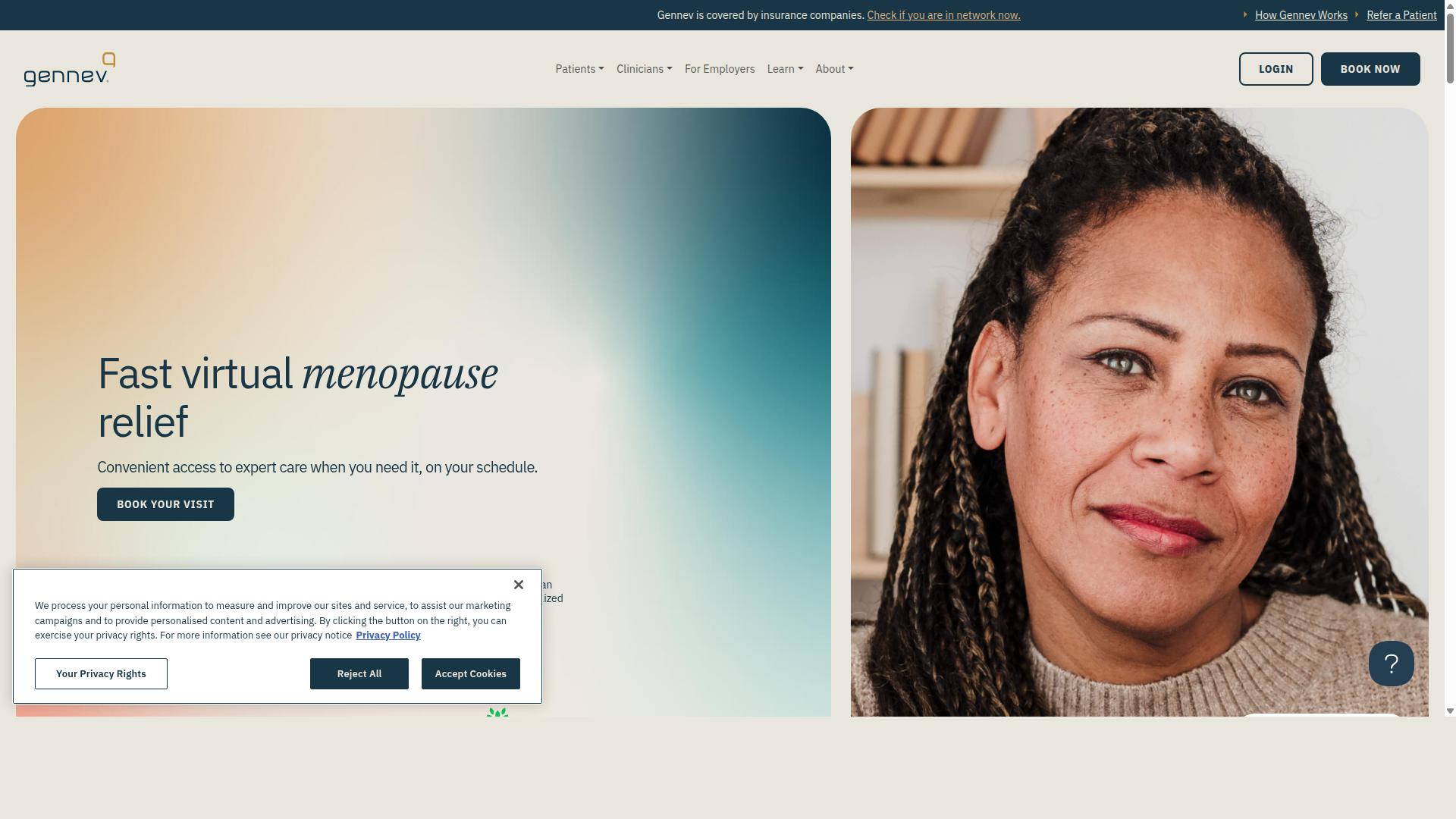
Gennev combines telehealth consultations with a marketplace for supplements and hormone prescriptions. Their approach focuses on helping women manage symptoms during menopause and perimenopause through virtual care with trained providers.
Patients connect with doctors and nutritionists for symptom assessments that cover hot flashes, night sweats, and mood swings. The platform also addresses sleep disturbance, fatigue, and joint pain through structured visits.
Gennev offers both self-pay options and insurance acceptance for their services. Video appointments allow providers to evaluate symptoms and recommend appropriate treatment plans based on individual needs.
Their care model includes initial consultations that last 30 minutes with doctors. Registered dietitian nutritionists provide longer initial visits lasting 50 to 55 minutes to discuss nutrition and lifestyle factors.
This approach works well for women seeking hormone therapy guidance or looking for alternatives to traditional in-person care. Providers can assess symptoms like low libido, vaginal dryness, and brain fog during virtual appointments.
7. Maven Clinic

Maven Clinic offers on-demand virtual appointments across multiple women's health specialties, including menopause care. The platform connects users to clinicians who can address symptoms associated with perimenopause and menopause such as hot flashes, night sweats, and mood swings.
Booking visits typically begins with creating an account and selecting a provider type. Users can then choose an available time slot that fits their schedule and complete a brief intake form before the appointment.
After the consultation, clinicians may recommend further symptom assessments through health questionnaires or suggest lab work to evaluate hormone levels. This process helps determine whether hormone therapy options like HRT could be appropriate.
Accessing prescriptions follows standard telehealth protocols. When clinically appropriate, providers send prescriptions electronically to a pharmacy of the patient's choice for fulfillment.
Follow-up visits can be scheduled as needed to monitor progress with prescribed treatments. This ongoing care model supports adjustments to symptom management strategies based on patient feedback and clinical assessment.
How to Choose the Right Option
Selecting the right telehealth service requires matching assessment depth, treatment scope, cost transparency, and provider availability to personal priorities.
Each woman experiences menopause differently, which makes personal symptom profiles essential. Some women report hot flashes and night sweats as primary concerns, while others deal with mood swings, sleep disturbance, or low libido.
A thorough symptom assessment should explore all these areas plus fatigue, brain fog, vaginal dryness, and joint pain. The assessment should also identify needs for blood testing or hormone panel evaluation.
Once symptoms are mapped, treatment preferences determine which platform fits best. Some women want hormone replacement therapy with estrogen, progesterone, or testosterone. Others seek weight management support through GLP-1 options or focus on both HRT and metabolic health.
Cost transparency matters when comparing services. Look for clear pricing on consultations, lab work, medication, and ongoing follow-up visits before committing to any platform.
State licensing requirements affect service availability. Some telehealth providers operate only in specific states, which limits access depending on where you live and how you prefer medication delivery.
Cancellation flexibility protects against unwanted commitments. Review policies for pausing membership, changing treatment plans, or ending services without penalty before signing up with any provider.
Final Verdict
Josie differentiates itself through integrated symptom assessment, provider-led HRT, and optional GLP-1 weight-management pathways in a single subscription model. Most menopause platforms focus on one narrow service. Josie combines symptom tracking with hormone prescriptions and weight support under one roof.
The service has helped 5,000+ members receive care. Every prescription receives a provider review before release. This review step adds an extra safety check that many automated systems skip.
Josie also avoids auto-billing. Members decide when and how to renew rather than facing surprise charges. That transparency builds trust for people managing ongoing perimenopause symptoms or hormone therapy adjustments.
Evernow users who need more integrated pathways often look for platforms that offer complete care rather than isolated tools. Josie meets this need by connecting symptom assessment directly to clinical decisions and optional weight-management programs.
Research suggests that women experience better outcomes when symptom tracking, hormone therapy, and weight support work together. Josie brings these elements into one subscription without forcing unnecessary add-ons or hidden fees.
Readers who want to explore this approach can reach the team at team@joinjosie.com for next steps. The team typically responds within one business day to answer specific questions about symptom assessment or HRT options.